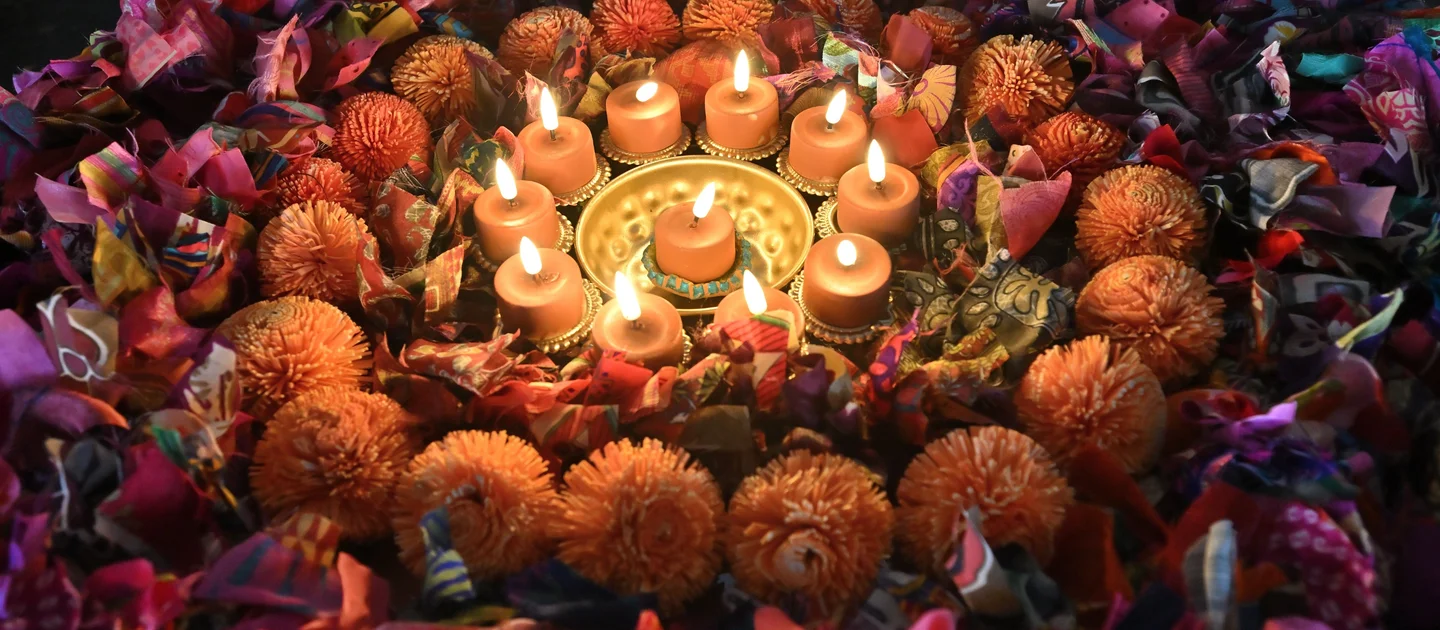
Diwali at Kedleston Hall in 2025
Bharat Sarollia writes in the Telegraph,
The last thing ethnic minorities need is for the charity to repackage history in an attempt to make us feel ‘welcome’
The initial reaction I had to Hilary McGrady’s comments this week – that people from ethnic minority backgrounds don’t visit heritage properties or the countryside because we don’t know what to wear – was one of annoyance. “Here we go again,” I thought. “People like me being classed as the ‘other’, rather than being seen as British.”
Maybe it was just a poor choice of words from McGrady, the National Trust’s director-general, but if you said that to me in the pub, for instance, I would have rolled my eyes and walked away. People from minority backgrounds do know what to wear, of course – we just have other things to do and other places to be.
I was born in Bolton, near Manchester. My parents came to England from India in the early 1960s to work in the cotton and weaving mills in up North. I went to grammar school, and my parents and I would often spend weekends at Smithills Hall. It was once owned by the Knights Templar, a Catholic organisation, and the protestant preacher,George Marsh, was interrogated there before he was executed in 1554.
The amazing thing about Smithills was how an afternoon spent there would transport you back in time to a very different England. I still think that a good heritage site or museum is one that opens a door into a world far removed from your own – allowing you to explore it for yourself, rather than lecturing you about the ills of the past.
I come from the first generation to be born to south Asian immigrants in Britain. We don’t consider ourselves to be anything but English, with the addition of our particular religion. In my case, I’m Hindu. And no one in my wide network of Hindu friends and family has ever told me that they feel uncomfortable in a National Trust property. English institutions, however, have developed a habit of over-correcting for the past and over-apologising for what happened.
In doing so, they start treating the country’s inheritance as something to be dissolved, dismantling the core idea of what it means to be English and to have British values. Rather than create cohesion, they create alienation instead.
The Telegraph reported this week that the National Trust had compiled a video for internal use, which showed a few stately homes redecorated for Hindu festivities. My honest response? We have temples for this kind of thing. What might seem like a goodwill gesture is inflaming issues that I see on the streets near my home. There is a rising tide of resentment from what you might call the indigenous population of Britain.
If the National Trust wants to celebrate Diwali in this way, for instance, then that’s up to them, but I don’t think it’s wise to have this sort of imagery front and centre in their marketing materials.
I’ve had a love of British history since my childhood. These days I live in north London and work in finance, so I don’t get as much time to visit National Trust properties as I’d like, but I have a bucket list planned for when I retire in about a decade.
I would never suggest the National Trust should whitewash the true stories of its properties. These are some of Britain’s greatest historical landmarks, after all, and every country has its own difficult episodes to own up to. The thing is to show people the full history of a place or time in all of its complications – with the good alongside the bad. Many National Trust properties have links to the slave trade, for instance, but one of the fascinating things about our country’s past is that we played a key role in dismantling it.
The National Trust seems to believe that unless it visibly reframes British heritage around modern identity politics, people from minority backgrounds, such as myself, wouldn’t be interested or wouldn’t understand what it has to offer. I find that deeply patronising. I wish that the Trust would focus on some of the issues that bring all people together, such as its work to protect our natural environments, which is something that many other British Hindus care deeply about.
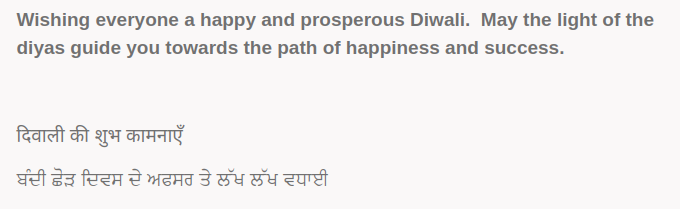
From the National Trust website
I certainly don’t need the National Trust to package up my country’s history into a synthetic version meant to make me feel welcome – I just want it to preserve history properly, and trust me with my education, background and lived experience. Otherwise, we risk presenting ourselves – and our young people, like my niece and nephew – with a version of history that is far too curated.
In my view, it’s not that people from ethnic minority backgrounds deliberately avoid National Trust properties. It’s just that, like everyone else, sometimes we might fancy a trip to a stately home on the weekend, and other times we’re distracted by the many other things we have to see and do.
I admire Hilary McGrady and the National Trust’s attempt to be inclusive but, in reality, there is no problem here to be solved. The National Trust should continue with its original mission of preserving our national heritage, and trust our ethnic minorities to engage with its mission on their own terms.