The National Trust’s identity crisis
The National Trust has great ambitions while neglecting its own properties
The National Trust once stood for the preservation of Britain’s historic places, landscapes, and heritage. It was an organisation rooted in care, continuity, and responsibility. Today, it is rapidly becoming a cautionary tale of bloated ambition, broken trust, and failed leadership.
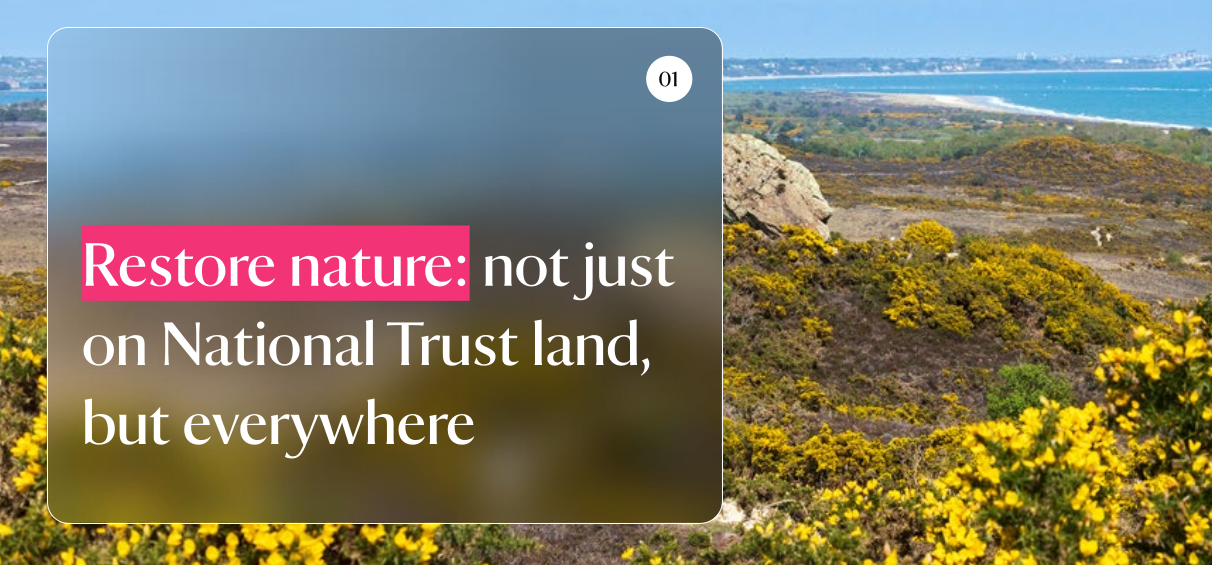
The Trust’s newly unveiled 10-year plan — to restore nature, end inequality of access, and inspire mass action — reads like a slick marketing document from a PR agency. But behind the rhetoric lies a darker truth: an organisation in financial freefall, morally compromised, and disconnected from its founding purpose.
1. £26 Million in Cuts — While Executive Salaries Remain Untouched
Let’s start with the numbers. In a stunning act of hypocrisy, National Trust leadership is slashing £26 million from its operating costs and making 550 staff redundant — including skilled rangers, conservators, curators, gardeners, and specialist professionals.
These are the people who actually deliver the Trust’s mission. Meanwhile, the upper echelons of management remain bloated, bureaucratic, and unaccountable. Senior salaries continue to soar, with no sign of shared sacrifice at the top. If this were a private company, shareholders would be demanding resignations. But here, it's the public who are footing the cost of executive incompetence.
2. A Deepening Reliance on Volunteer Labour — Exploited and Ignored
Volunteers have always been the heart of the Trust. But today, they’re being treated like an afterthought — or worse, a free workforce to plug the holes left by mass redundancies. Many long-serving volunteers now report being ignored, disrespected, or replaced altogether. Some describe the culture as toxic and controlling, with decisions imposed from above with little consultation or care.
Let’s be clear: relying on thousands of unpaid volunteers while cutting paid jobs is not sustainable. It’s not ethical. And it certainly isn’t respectful of the very people who keep this organisation functioning. The line between community engagement and systemic exploitation is now being crossed.
3. Repossessing Tenant Farms — Then Letting Them Rot
In one of its most short-sighted moves, the National Trust has begun reclaiming long-held tenant farms, often displacing families who have lived and worked on these lands for generations. And for what? In many cases, the buildings are left to decay, the land to lie fallow, and the income to vanish.
This isn't conservation — it’s vandalism through neglect. Productive farms, once part of the living heritage of the countryside, are being cast aside for vague rewilding projects and grand environmental slogans with no sustainable plan in place. Tenants lose homes and livelihoods. The Trust loses revenue. Heritage loses its meaning.
4. Mission Creep on an Industrial Scale
The National Trust was founded to conserve places of historic interest and natural beauty. But under its current leadership, it has become a confused hybrid of environmental lobby group, political activist body, and corporate branding machine.
Instead of focusing on its statutory duty to preserve buildings, collections, and cultural landscapes, it now proclaims its desire to "restore nature everywhere" and "inspire millions" — phrases so vague and sweeping they border on meaningless.
This isn't visionary leadership. It's strategic identity crisis. The Trust is now trying to be all things to all people, and in the process, failing at its core purpose.
5. Falling Membership, Rising Discontent
Members are voting with their feet. Thousands are walking away from the organisation they once trusted. The reasons are clear: disillusionment, disempowerment, and disgust. Many feel the places they love are being neglected, the staff who care for them discarded, and the leadership deaf to all criticism.
Rather than course-correct, the Trust's leadership doubles down — dismissing critics, stifling internal dissent, and issuing hollow statements about inclusivity and innovation. It’s a classic case of a leadership team drunk on its own vision, while the organisation quietly burns around them.
6. A Leadership Unfit for Purpose
At the root of all this lies a simple truth: the National Trust is being mismanaged at the highest level. Strategic decisions are reactive, not proactive. Communication is defensive, not transparent. Heritage is sidelined in favour of political fashion. And the workforce — both paid and unpaid — is demoralised, alienated, and increasingly expendable.
Final Word: Restore the Trust, Before It’s Too Late
If the National Trust wishes to reclaim its purpose, it must begin with honesty, accountability, and humility. That means:
Reinstating skilled staff — not removing them.
Valuing volunteers — not exploiting them.
Supporting tenants — not displacing them.
Conserving heritage — not neglecting it.
Leading with integrity — not hiding behind jargon.
Until that happens, no ten-year plan, no glossy strategy, and no aspirational slogans will hide the truth: the Trust is broken, and the public trust is breaking with it.
Regards.
Mr L