New year’s honours list 2026: recognition for leaders in culture war
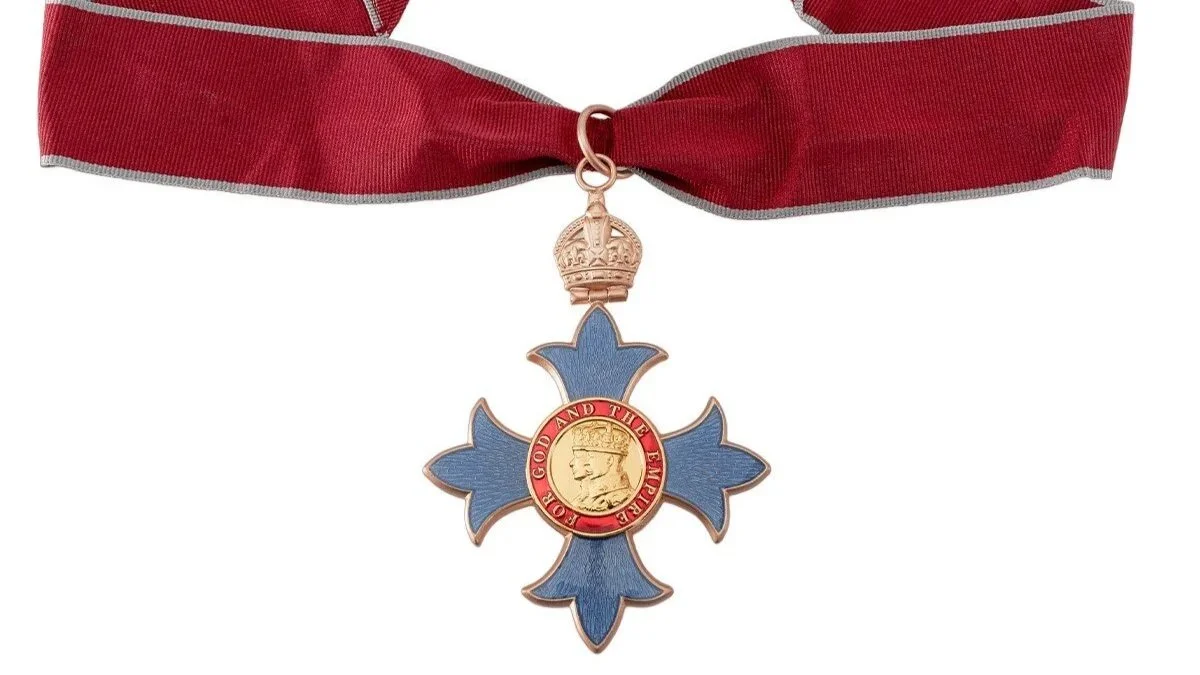
The Times reports that Hilary McGrady, Director-General of the National Trust, has been awarded a CBE among other figures who are controversial for their part in the culture war:
A police chief accused of having a “racist” recruitment policy and a “woke” National Trust boss have been named on the new year’s honours list.
They are among several on the 1,157-strong list who have been recognised after making headlines during culture wars this year.
In the fields of entertainment and sport, Idris Elba and Olympic gold winners Jayne Torvill and Christopher Dean lead the list, which also recognises England’s victorious women’s football and rugby teams.
The actress Meera Syal is made a dame while the actor Warwick Davis and the broadcaster and author Richard Osman receive OBEs. The Wicked star Cynthia Erivo is made an MBE, and the Last of the Summer Wine writer Roy Clarke is knighted.
The honours system has, in recent years, recognised people who have “made achievements in public life” and “committed themselves to serving and helping Britain”. Nominations are vetted by government departments, regulatory bodies and committees before approval by the prime minister, then the King.
John Robins, chief constable of West Yorkshire police, received a Knight Bachelor for services to policing months after a backlash about the force’s “positive discrimination” recruitment policy.
The force, which was falsely accused of banning white applicants for job vacancies, was accepting applications from people from ethnic minority backgrounds all year, despite its periodical recruitment processes.
In a statement at the time, the force said the applications were held until recruitment was opened to everyone, giving the force “more opportunity” to attract talent from a diverse pool due to the longer application window.
Robins has spent 36 years with the force, rising from constable to chief constable, and has reduced crime across West Yorkshire during his tenure as the latter.
Recipients of a Knight Bachelor can use the title Sir, but do not have post-nominal letters as in other orders.
Another name on the honours list was Hilary McGrady, director-general of the National Trust, who became a Commander of the Order of the British Empire (CBE) for services to heritage.
McGrady was appointed in 2018 and has overseen increased levels of fundraising. During her tenure, the trust has been criticised for dispensing vegan tampons in men’s toilets and for “denigrating” Britain’s history after a report on its links to slavery in 2020. She said at the start of this year that she had received death threats over the report.
On her CBE, McGrady said: “I’m proud to be part of this organisation and this sector and I’m delighted to receive this award.”
Any member of the public or official body can submit a nomination to the Cabinet Office’s honours and appointments secretariat, which oversees the honours system. Consideration of nominations can take 12 to 18 months, during which “merit” and “probity and propriety” checks are undertaken.
To avoid bringing the system into “disrepute”, the vetting process can involve the input of government departments, regulatory bodies, professional organisations, HM Revenue & Customs (HMRC) and the Acro criminal records office. Ten independent honours committees consider nominations, which are then recommended to the prime minister and, ultimately, to the King for approval.
Angela Salt, who stepped down as chief executive of Girlguiding this year, was also recognised. During her tenure, Girlguiding faced a backlash in 2022 when its summer magazine published an interview with the parents of a seven-year-old transgender girl who the charity had welcomed. They also introduced an “inclusive” uniform last year. Salt said she was “humbled and honoured” to have been made a CBE.
Charlotte Moore, the BBC’s former chief content officer, was made an Order of the British Empire for services to public service broadcasting. She left the BBC in February as concerns were raised about the impartiality of the documentary Gaza: How to Survive a Warzone, which featured the son of a former Hamas official. Her exit was not directly linked to the controversy.
Acknowledging the award, Moore said: “There has never been a more important time to champion British creativity and support the values of public service broadcasting.”